
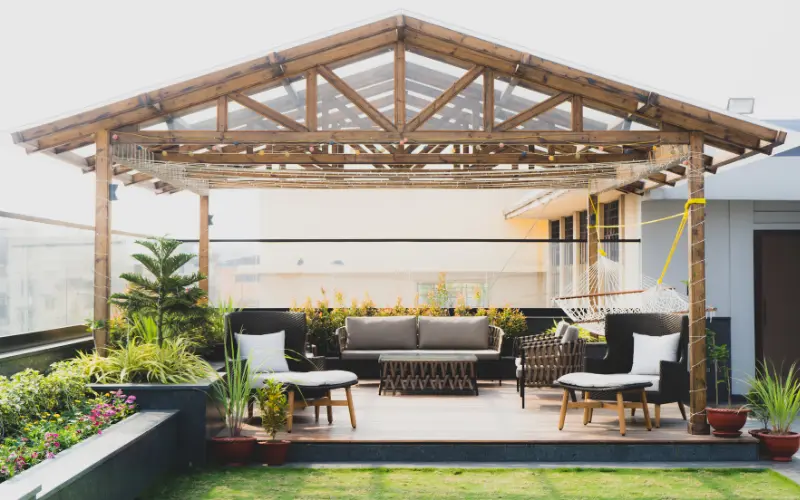
People often think landscape renovation is about changing the way a space looks. It isn’t. It’s about changing the way a space feels, functions, and grows with you.
Over the years, I’ve noticed that most landscape projects don’t go wrong because of poor intentions. They go wrong because people rush into execution before understanding the land, the climate, and how they actually want to use the space.
A successful landscape renovation takes a clear design plan, an understanding of the site’s soil and drainage, the right plant selection, a realistic budget, and a vision that stretches years beyond “finished.”
Below are the most common landscape renovation mistakes homeowners make and how to avoid each one.
1. Designing Without a Plan :
Every landscape should tell a story. Create a natural flow between entrances, seating, pathways, and gardens. Without a clear landscape design plan, even beautiful individual elements end up feeling disconnected. Skipping this stage is one of the most expensive false economies in landscape renovation. Reworking a poorly planned layout later almost always costs more than planning it properly the first time.
2. Ignoring What Lies Beneath :
Healthy landscapes begin below the surface. Soil, drainage, and grading determine long-term success. No amount of beautiful planting can compensate for poor soil health or inadequate drainage planning. A proper soil test reveals composition and drainage capacity, while a well-designed drainage system is the unglamorous foundation every high-performing landscape is built on.
3. Choosing Plants for Looks Alone :
Select plants suited to your climate so the garden becomes easier to maintain. Native plants and climate appropriate species establish faster, need far less watering once rooted, and stay resilient through seasonal shifts giving you a garden that thrives naturally instead of one that constantly needs saving.
4. Spending in the Wrong Places :
Prioritize drainage, irrigation, soil, lighting, and quality hardscape before decorative elements. Irrigation systems, drainage, soil improvement, and durable hardscape need to be funded first. A well-planned renovation budget protects these essentials, so the visible beauty added afterward actually lasts.
5. Forgetting How You’ll Actually Live There :
Design around your lifestyle, not trends. Good landscape design starts with real routines shaping seating, pathways, and functional zones around actual daily use rather than fleeting trends that lose relevance within a year or two.
6. Sustainability Isn’t a Trend :
Native plants, rainwater harvesting, recycled materials, and biodiversity create landscapes that improve over time. Sustainable landscaping is a long-term strategy for a healthier, more resilient outdoor space. Rainwater harvesting reduces dependency on external water sources, while a healthy mix of plant species is naturally more resistant to pests and disease than a single-species scheme.
7. Think Five Years Ahead :
Design with growth, flexibility, and future needs in mind. Trees expand their canopy, shrubs mature, and family needs shift over time. Planning with flexibility, leaving room for a future outdoor kitchen or expanded seating means your landscape renovation grows gracefully instead of becoming outdated within a few years.
The Oxyzone Philosophy
At Oxyzone Design Studio, we believe landscaping begins with understanding people. Every site has its own personality, every family its own lifestyle, and every climate its own response. A well-designed landscape isn’t just something you look at. It’s something you experience every single day.
Our approach to landscape renovation combines thoughtful design planning, sound soil and drainage work, climate-appropriate plant selection, and sustainable practices – creating outdoor spaces that genuinely improve, mature, and grow more valuable with every season.